Pennies, Players, and Peril
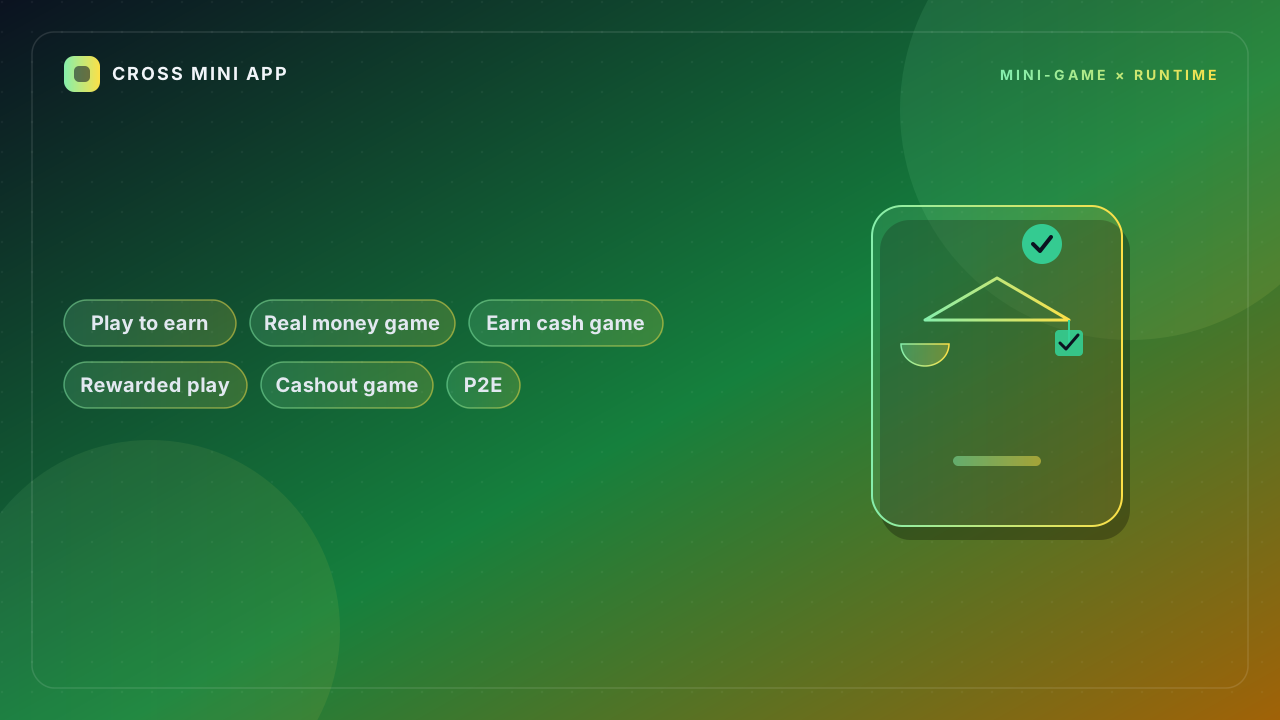
Play-to-earn promised players they could get paid to play and promised studios a never-ending funnel. Both promises are real and both are traps. The model prints users faster than anything else — and burns cash faster than anything else.
Q: Why is real-money reward the most powerful and most dangerous acquisition lever?
Because "get paid" is a stronger call to action than any creative you can buy. It collapses the install decision to a single number. The danger is that the people who come for the money leave the moment the math stops favoring them, and they churn harder than organic players because they were never playing. You buy a user base that is really a payroll, and the line between growth and debt is the cashout rate.
Q: What is the compliance landmine nobody mentions?
Real-money rewards sit next to gambling regulation in most jurisdictions, and the line is not where you think. If the reward requires a purchase, or looks like a wager, or targets minors, you are in regulated territory with real licenses and real fines. Even "earn gift cards" can trigger it depending on the region. The teams that survive read the actual statutes per market, not a blog post, because one regulator's letter can shut down your payout.
Q: How do you make P2E unit-economics work without bleeding?
Cap the earned value to a fraction of what you would have spent on UA, and tie payout to a real action that creates value — a completed level, a referral that converts, not just "logged in." The model works when the earned penny costs less than the acquired user it replaces. It dies when players optimize to farm the payout and never touch the game. The economy has to make farming unattractive and playing rewarding.
Q: Is there a version of this that is not a trap?
Yes — rewarded engagement, not wage labor. Pay players in in-game currency for watching, sharing, or hitting milestones, and let a fraction cash out through partners. That keeps the "I got something" feeling without a payroll or a regulator at the door. The pure "play and get dollars" version is a growth story with a burn problem. The hybrid version is a retention tool with a budget.
| What looks like growth | What it actually is |
|---|---|
| Users who came for cash | A payroll, not a player base |
| "Earn gift cards" | Still near gambling rules |
| Uncapped payout | UA cost you can't control |
| Farmable reward | Players who never play |
Real-money rewards are a flamethrower. Great for clearing a path, terrible for the house you are standing in.